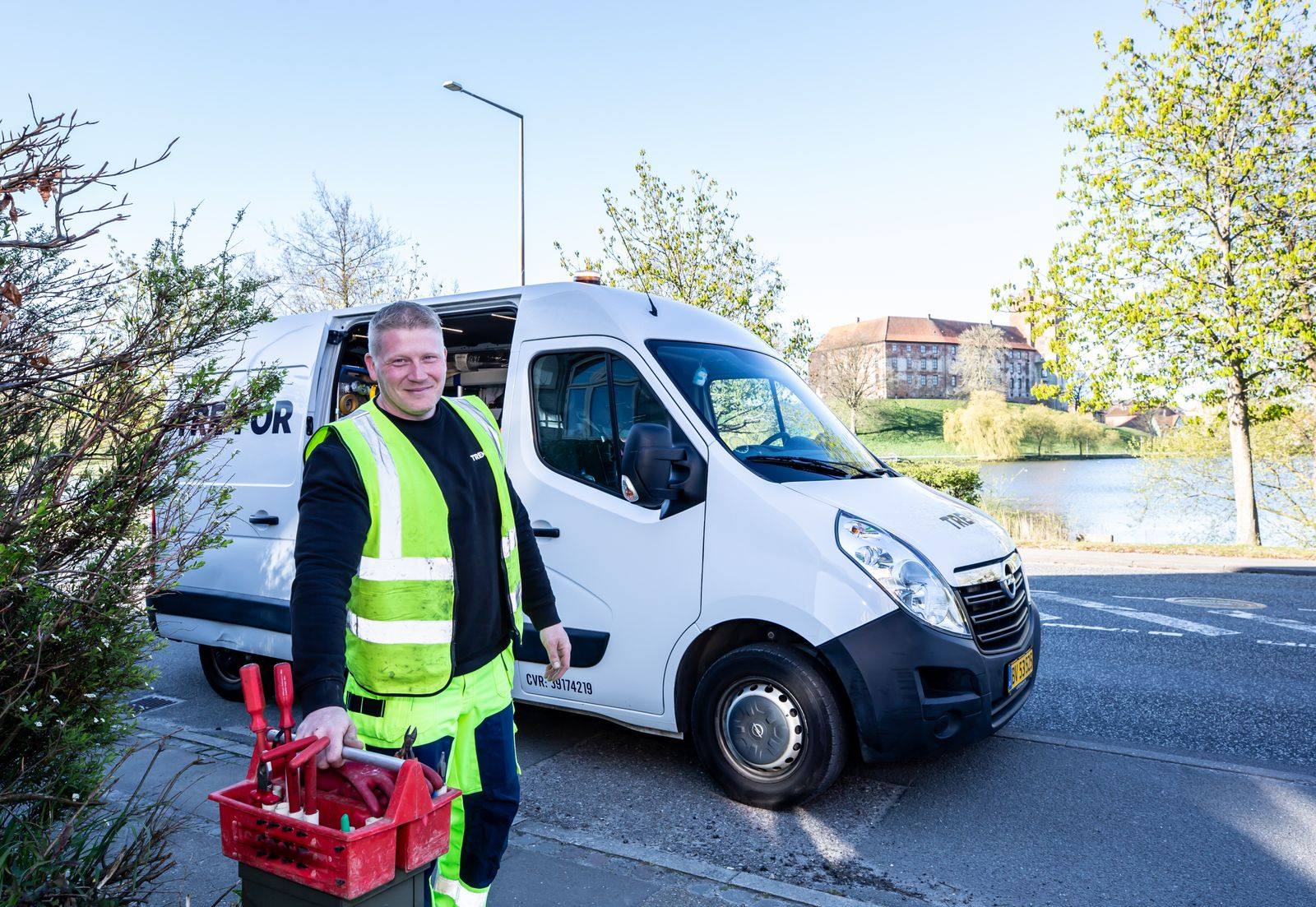
Plenty of water heater problems are fine to book for later in the week. A few situations cannot, and knowing the difference protects both your home and your family. A tank that has split along a seam does not stop after emptying its own 40 or 50 gallons, because the cold supply keeps pushing fresh water in, so an unattended leak can move hundreds of gallons into flooring, drywall, and the rooms below. A temperature and pressure relief valve that keeps discharging is warning you that pressure or heat inside the tank has gone past its safe limit. Water coming out of the taps hot enough to scald usually points to a thermostat or gas control that has failed on the hot side. And any smell of gas near the heater is a safety event before it is a repair job. In Youngstown, OH, these are the calls we treat as true emergencies.
Here is the order that keeps people safe. Gas comes first. If there is any smell of gas, get everyone out, leave switches, outlets, and appliances alone, and call the gas utility or 911 once you are outside; the heater can wait until the utility says the home is safe. Second, water. Turn the cold-water valve above the heater clockwise until it stops, or close the home's main shutoff if that valve will not budge. Then the heat source. Set a gas control to OFF, or kill the breaker on an electric model, but only if you can reach the panel without standing in water. A relief valve that is releasing water must never be blocked. With the heater isolated, call (330) 548-5526 and we can talk through what you are seeing.
Our part of the job begins the moment you call (330) 548-5526. Whoever answers walks you through isolating the heater, confirms the leak has actually stopped, and gives you a realistic window for a technician rather than a number that sounds good. Once we arrive, safety checks come first: water, gas or power, and venting. Then we diagnose. A failed relief valve, a leaking drain valve, a corroded supply fitting, or a burned-out element can typically be swapped before we leave because those parts ride on the truck. If the tank has rusted through, no repair will hold, and we tell you so plainly before walking through replacement choices. Families throughout Youngstown call us for exactly these moments.
Our most requested service is Water Heater Repair in Youngstown. Either is a good place to start.
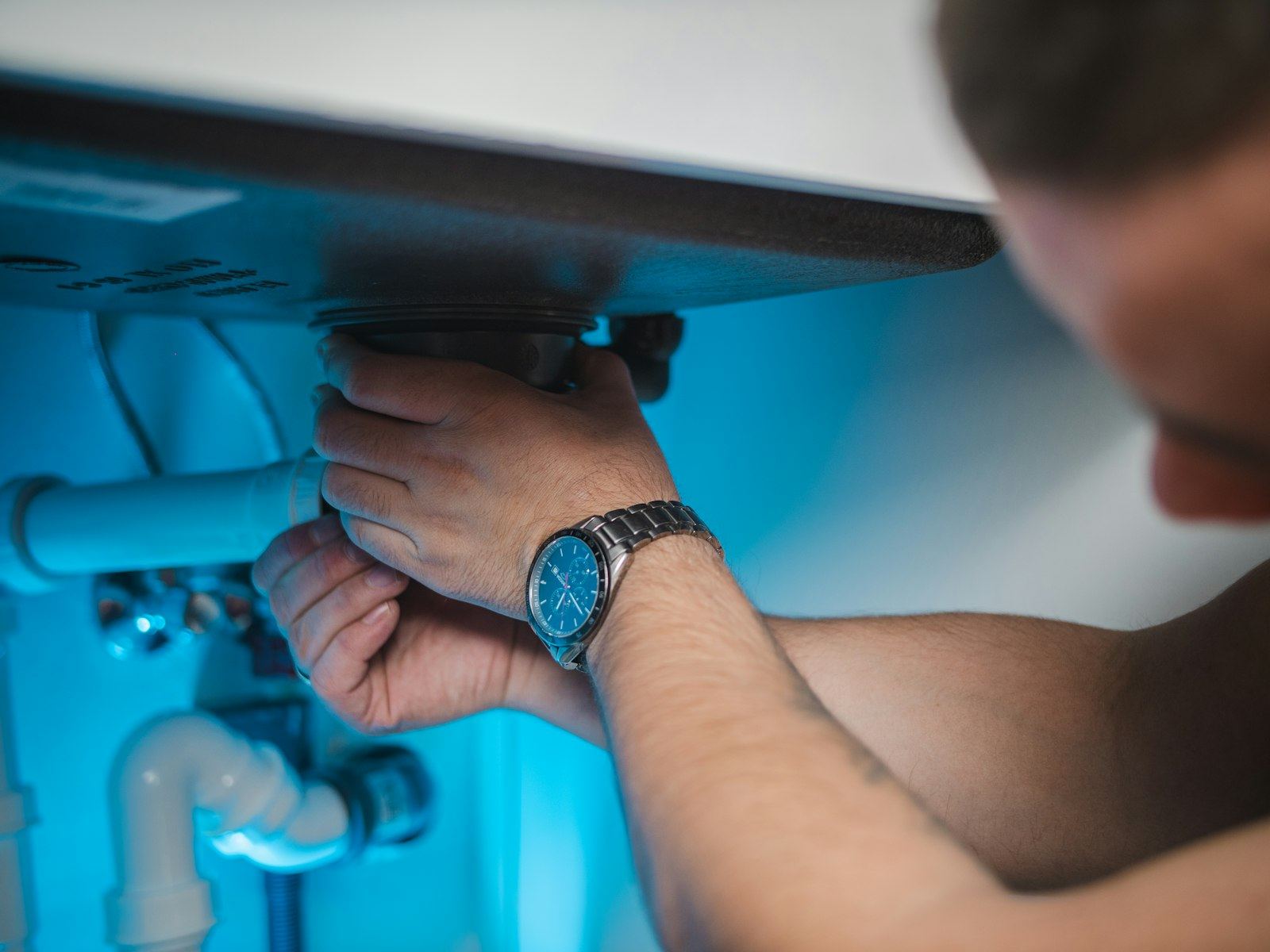
When to Call for Emergency Water Heater Repair
Catching a symptom early is often the difference between a quick part swap and a tank that gives out on the garage floor. Watch for these telltale signs that professional help is needed:
- The smell of gas near the unit, a situation that calls for evacuating and phoning the utility or 911
- Loud popping, banging, or rumbling from the tank that has gotten worse quickly
- A puddle under the tank that keeps growing
- No hot water at all, even after waiting for the tank to recover
- Scorch marks, soot, or flames rolling out near the burner access on a gas unit
- A T&P valve that releases water repeatedly instead of staying closed
- Water at the tap that is suddenly scalding hot
- An electric water heater that keeps tripping its circuit breaker
Don't Wait for a Total Failure
A little rust-colored water or a relief valve that drips now and then can be the first hint of a tank that is close to the end. Don't wait. Get Youngstown Water Heater on the phone at (330) 548-5526 and we'll get a technician scheduled.
What Homeowners Ask Us Most
Why Professional Emergency Water Heater Repair Matters
Emergency calls combine electricity, gas, heat, pressure, and water, which is exactly the mix that makes do-it-yourself work risky. An electric heater sits on a 240-volt circuit that should never be handled while standing in water. A gas heater has fuel piping, a burner, and a vent that can spill combustion gases if something is out of place. The tank itself holds scalding water under pressure, and a discharging relief valve is signaling an unsafe condition that must be fixed at the source, not muted. Blocking the discharge pipe, relighting next to a gas odor, or forcing a rusted connection are mistakes we see far too often.
A trained technician brings the right order of operations and the right parts. Our team confirms the heater is isolated, tests for gas leaks with a detector and soap solution instead of relying on a sniff test, checks household water pressure and thermal expansion when a relief valve has been discharging, and inspects the vent for proper draft before a gas unit is restarted. Equally important, we tell you honestly when a heater can be repaired and when it cannot. A leaking seam or rusted-through bottom cannot be fixed, while a failed valve, fitting, or element usually can, and the difference is often a modest repair bill versus the cost of a whole new unit. You get that answer before any work begins.
Our Emergency Water Heater Repair Process
We follow the same careful process on every water heater, whether it's a quick thermostat swap or a full tankless conversion. Here's a look at each step our team takes:
Phone Triage & Shutoff Help
On the call, we check for any gas odor first, then guide you to the cold-water valve and the heater's gas control or breaker so the damage stops growing while help is on the way.
Dispatch & Site Safety
We send a technician with a stocked truck and give you a realistic time frame. The first job on arrival is confirming the heater is isolated and the area is safe to work in.
Diagnose & Repair
The source gets pinpointed before any part is replaced. Relief valves, drain valves, connectors, thermocouples, and elements travel with us, so most fixes happen during the first trip.
Restart & Verification
Before we leave, the tank is refilled and bled of air, the burner or elements are brought back online, and we confirm dry connections, a working relief valve, and a safe 120F setting.
Simple Ways to Extend Your Water Heater's Life
Routine maintenance is almost always cheaper and easier than an early replacement. Here's where to begin:
- Store chemicals and flammables far from the burner, and keep the area around the heater uncluttered
- A drain pan with a proper drain line under the tank can turn a flood into a manageable puddle
- A 120F setting is safer for skin and easier on the heater than the hottest setting
- Flush sediment from the tank yearly, since buildup overheats the bottom and speeds corrosion
- Know where the heater shutoff and the main water valve are, and make sure everyone in the house does too
- Consider an automatic leak shutoff that stops the cold supply the moment water hits the floor
- Test the T&P valve annually; a valve that sticks or weeps afterward should be replaced
Should You DIY or Call a Pro?
A few tasks, like checking the temperature setting or lifting the relief valve lever to test it, are fine for homeowners, but most water heater work involves gas lines, venting, 240-volt circuits, or a tank full of scalding water, and that belongs with a professional. A side-by-side look:
| Factor | DIY Attempt | Professional Service |
|---|---|---|
| Gas Odor | Lingering near a possible leak | Leak detector and soap test after the area is cleared |
| Stopping the Leak | Hunting for shutoffs while water spreads | Shutoffs confirmed holding before diagnosis |
| T&P Discharge | Valve ignored or blocked off | Pressure and expansion checked, valve replaced if worn |
| Power & Water | Resetting breakers while the floor is wet | Power tested off and area made dry and safe |
| Diagnosis | Guessing between valve, fitting, and tank | Exact source traced before parts are swapped |
| Outcome | Fix that may not hold overnight | Hot water back and connections proven dry |
Get Emergency Water Heater Repair Help Today
Get your hot water back before a small fault turns into a flooded floor. Youngstown Water Heater is ready to respond fast.
Call (330) 548-5526 TodayWhere We Provide Emergency Water Heater Repair
We bring emergency water heater repair to homes and businesses in town and across the nearby communities. Pick your area to see local details.